Custom Apparel Printing: Screen Print vs Embroidery
Branded apparel does quiet work for a small business. It turns a crew into a team, makes a storefront look organized, and sends a logo home with customers long after they leave. Two decoration methods do most of that work: screen printing and embroidery. Both fall under custom apparel printing, but they behave very differently on fabric, and matching the method to the garment is what separates apparel that looks sharp from apparel that sits in a drawer.
Why Small Businesses Order Custom Apparel
Ordering decorated garments is usually about one of four goals, and each one pushes you toward a different product and a different decoration method.
Business apparel for staff, so employees are easy to identify and the brand shows up consistently at the counter or on a job site.
Team shirts for a specific group or event, where everyone needs the same look in a range of sizes.
Merchandise for customers, such as shirts and hoodies sold or given away as part of a promotion.
Promotional products to round out a giveaway table, from pens and key chains to blankets and tote bags.
Common orders include team shirts, event merchandise, items for church groups, and business apparel, along with the usual mix of tees, hoodies, long-sleeve shirts, and tank tops. The method you pick should follow the garment and the artwork, not the other way around.
How Screen Printing Works
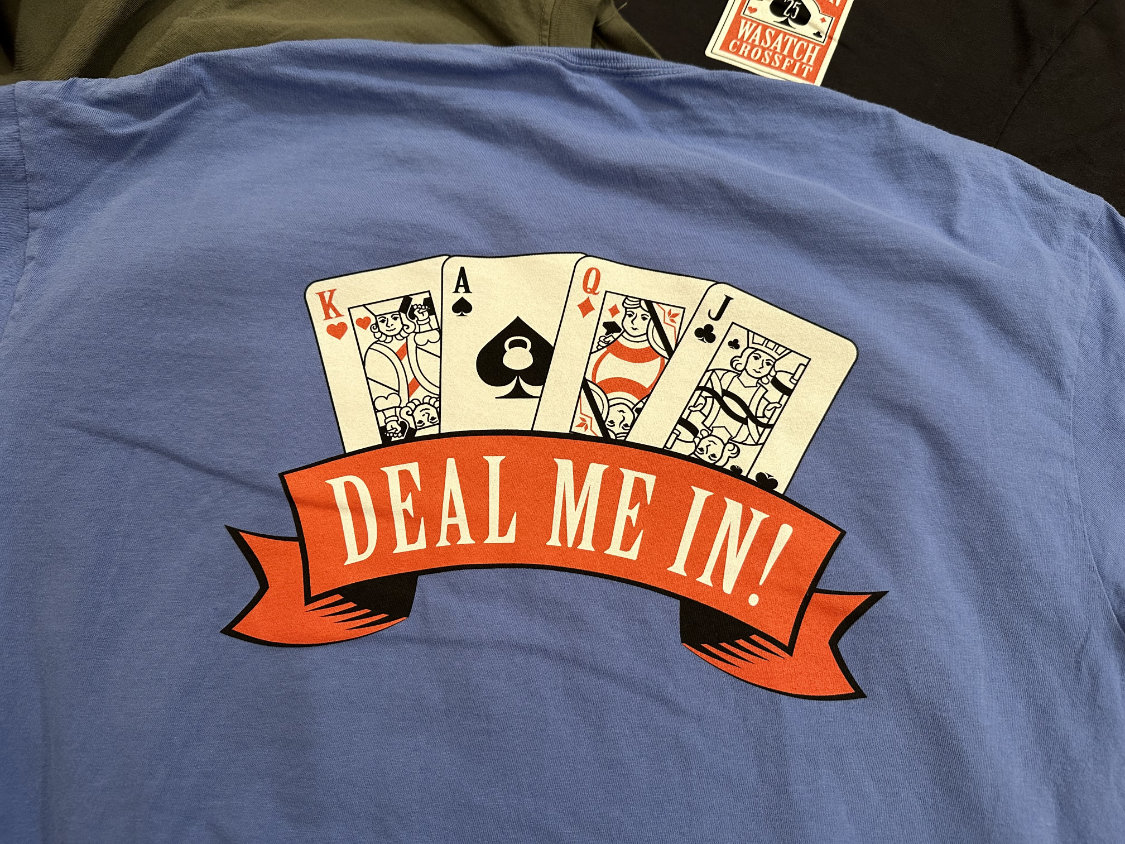
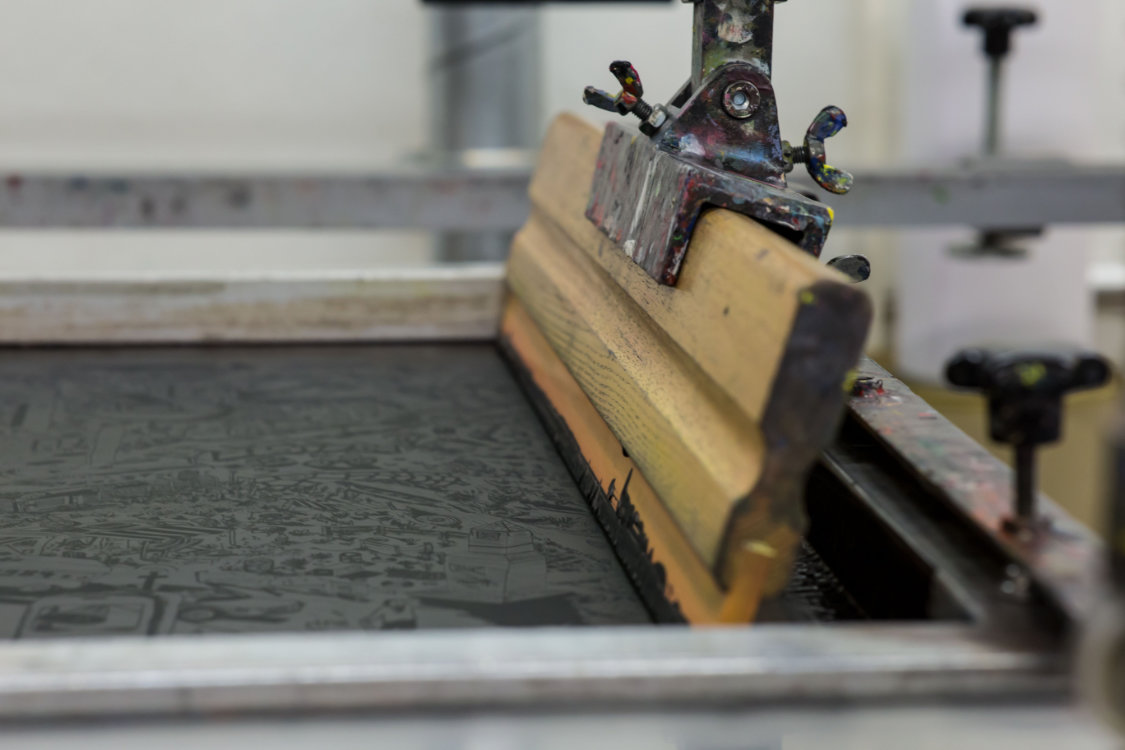
Screen printing pushes ink through a fine mesh screen and onto the garment. The design is separated by color, and each color in the artwork is printed as its own layer, which is why screen printing shines on bold graphics with a limited palette. Water-based and soft-hand additives are approaches shops use to create a soft, retail-quality feel on cotton garments, and it holds up well on the everyday cotton tees that drive most bulk orders.
Because the ink sits on top of the fabric, screen printing produces a flat, opaque look with strong color coverage. That makes it a natural fit for large front and back prints on tees, hoodies, long-sleeve shirts, and tank tops. It also rewards planning. The fewer colors in the design, the simpler the setup, and the more the method pays off when you are decorating the same shirt for a whole team or a whole season of events.
How Embroidery Works
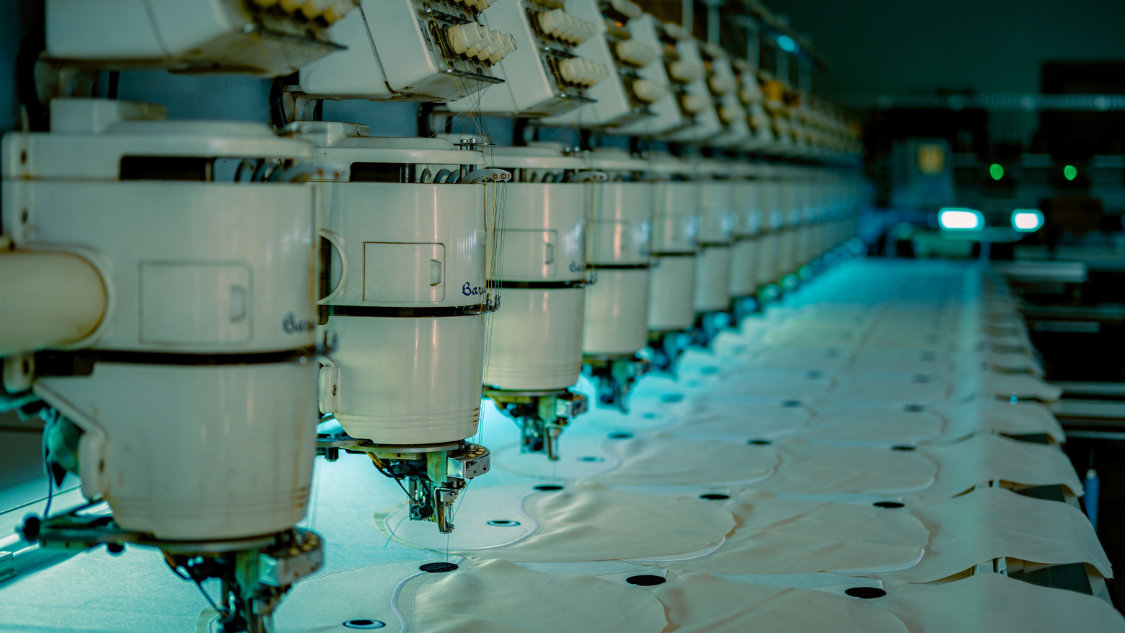
Embroidery stitches thread directly into the garment instead of laying ink across the surface. The result is a raised, textured finish with a depth that printed ink cannot replicate, and it reads as polished on the structured garments that small businesses order most: polos, jackets, hoodies, and hats. A left-chest logo in thread is the classic look for a storefront, a medical practice, or a service company that wants staff to look put together.
The tradeoff is detail. Because a design is rebuilt from stitches, very fine lines and tiny text need to be adjusted so they stay legible at the finished size. Embroidery also works best when the artwork has clear shapes and enough weight to hold up as thread. Shops that offer embroidery alongside screen printing can tell you during artwork review whether your logo needs simplifying before it goes to production.
The quickest way to choose is to compare how each method handles the garment, the colors, and the design.
Consideration
Screen printing
Embroidery
How the decoration is applied
Ink pushed through a mesh screen onto the fabric
Thread stitched directly into the garment
Garments it suits
Cotton tees, hoodies, long-sleeve shirts, tank tops
Polos, jackets, hoodies, hats
Color handling
Each color in the design is printed as its own layer
Thread colors are stitched into the design
Best use
Large front or back graphics and bulk orders
Left-chest logos and a polished, textured finish
Where Direct-to-Garment or Vinyl Heat Press Fits
Direct-to-garment printing is a third option worth knowing about, and many apparel printers offer it alongside screen printing and embroidery. DTG prints digitally, which means it can handle unlimited ink colors and detailed, multi-color artwork without the per-color setup that screen printing requires. Some digitally printed shirts are also offered with no minimum order, which makes the method useful for a single sample, a one-off gift, or a small run that does not justify a full screen setup.
Vinyl heat press is another option, where a design can be printed digitally before being applied to the garment, or solid colors can be used for added decoration on the clothing, such as team numbers on jerseys.
The practical takeaway is that you are not limited to two choices. A shop with screen printing, embroidery, and DTG under one roof can steer a job to whichever method gives the best finished result for that specific garment and design.
If DTG or vinyl heat press isn’t mentioned, it may be offered as a custom quote.
Matching the Method to the Garment
Start with the item, then decide how to decorate it.
Cotton tees and tank tops: screen printing, direct-to-garment, or printed heat press vinyl for large, colorful graphics, especially on bulk orders.
Hoodies and long-sleeve shirts: either method works, so let the artwork decide. Bold prints lean toward screen printing, a small chest logo leans toward embroidery.
Polos and jackets: embroidery, because the finish matches the formality of the garment.
Quantity rules vary a lot between apparel printers, so read the details before you assume. Some online printers advertise no minimums at all, which is useful for startups and small teams. Others focus on bulk orders and bulk pricing, where the same cotton tee is printed in volume for events, teams, and business use. Some advertise free shipping on every order, and others ship free to all 50 states with rush options as fast as one day and guaranteed delivery dates on each order.
If a specific date matters, such as a trade show or a grand opening, ask for the delivery date in writing before the order is placed rather than assuming a standard turnaround will cover it. It is also worth confirming what happens if artwork needs a revision after you approve the proof, since that can affect timing more than the printing itself.
Preparing Your Artwork Before You Order
Good decoration starts with a clean file. A logo that looks fine on a business card may need adjustment before it is stitched or printed large across a back panel, and the changes are usually small: thickening thin strokes, simplifying a busy mark, or rebuilding small text so it stays readable at the finished size.
Ask for a digital proof showing the design on the actual garment color before production begins. Check the spelling of names, the placement on the chest or back, and the size of the logo relative to the shirt. If you do not have a usable file, many print and branding companies offer logo and graphic design services that can rebuild artwork into something production ready, or you can upload existing artwork and use an online design tool to lay it out yourself.
Ordering Custom Apparel Through Dreamscape Printing
Dreamscape Printing decorates hats, tees, polos, jackets, and hoodies using both screen print and embroidery, so a single order can cover printed staff tees and embroidered polos without splitting the job between vendors. The company is based in North Salt Lake, Utah, and ships free across the contiguous United States, with signage installation available in Utah for businesses that want their storefront and their staff shirts handled together.
If you need help getting a logo ready for thread or ink, design packages range from Bronze through Platinum tiers, and there is an online design tool plus templates for customers who prefer to build the layout themselves. Ordering runs through an online portal where you configure the product, upload artwork, and review the design before it goes to production.
If you’re looking for items not offered on the website, a custom quote can be requested.
Questions to Ask Before You Approve the Order
A short checklist before you click approve saves a long conversation later.
Which method will be used on each garment in the order, and why?
Does the design need to be simplified for embroidery or enlarged for printing?
What is the confirmed delivery date, and is it guaranteed?
Is there a minimum quantity for the method and garment I chose?
Are shipping costs included for my location?
Can I see a proof on the exact garment color before production?
Answer those six questions and most of the risk in a first apparel order disappears. From there, the decision usually comes down to the garment: if it is a structured piece like a polo, jacket, or hat, embroidery gives you the finish the garment deserves. If it is a cotton tee, hoodie, or tank top carrying a bold graphic, screen printing delivers the coverage and color that printed apparel is known for. Small businesses rarely have to choose just one, and a print partner that offers both makes it easy to use the right method on every item in the box.
Frequently Asked Questions
What is the difference between screen printing and embroidery?
Screen printing pushes ink through a mesh screen onto the fabric, so the design sits on the surface as a flat layer of color. Embroidery stitches thread directly into the garment, creating a raised, textured finish. Screen printing suits large graphics on tees and hoodies, while embroidery suits polos, jackets, and hats.
Which method is better for polo shirts and hats?
Embroidery is the better match for polos, jackets, and hats. These garments have a structured shape and a more formal look, and stitched thread complements that finish far better than a printed patch of ink. A left-chest embroidered logo is the standard treatment for staff uniforms and branded headwear.
Can I order custom apparel with no minimum quantity?
It depends on the printer and the method. Some digitally printed shirts are offered with no minimum order, which is useful for a single sample or a very small run. Screen printing is usually built around bulk orders, so ask your printer what minimum applies before you finalize the design.
Can I use the same logo file for both printing and embroidery?
Often yes, but the file may need adjusting. Embroidery rebuilds a design from stitches, so very fine lines and small text sometimes need to be simplified or thickened to stay legible. Ask for a proof on the actual garment color and let the shop flag anything that needs reworking.
How do I make sure my apparel arrives before an event?
Ask for the delivery date before you place the order, and get it confirmed in writing rather than relying on a typical turnaround. Some apparel printers advertise guaranteed delivery dates and rush options. Also confirm the shipping terms for your location, since free shipping offers usually cover specific regions.
Deprecated: File Theme without comments.php is deprecated since version 3.0.0 with no alternative available. Please include a comments.php template in your theme. in /var/www/blog.dreamscapeprinting.com/wp-includes/functions.php on line 6260
 Sign In
Deprecated: File Theme without comments.php is deprecated since version 3.0.0 with no alternative available. Please include a comments.php template in your theme. in /var/www/blog.dreamscapeprinting.com/wp-includes/functions.php on line 6260